What is the difference between a GPS tracker and a Bluetooth tracker for dogs?
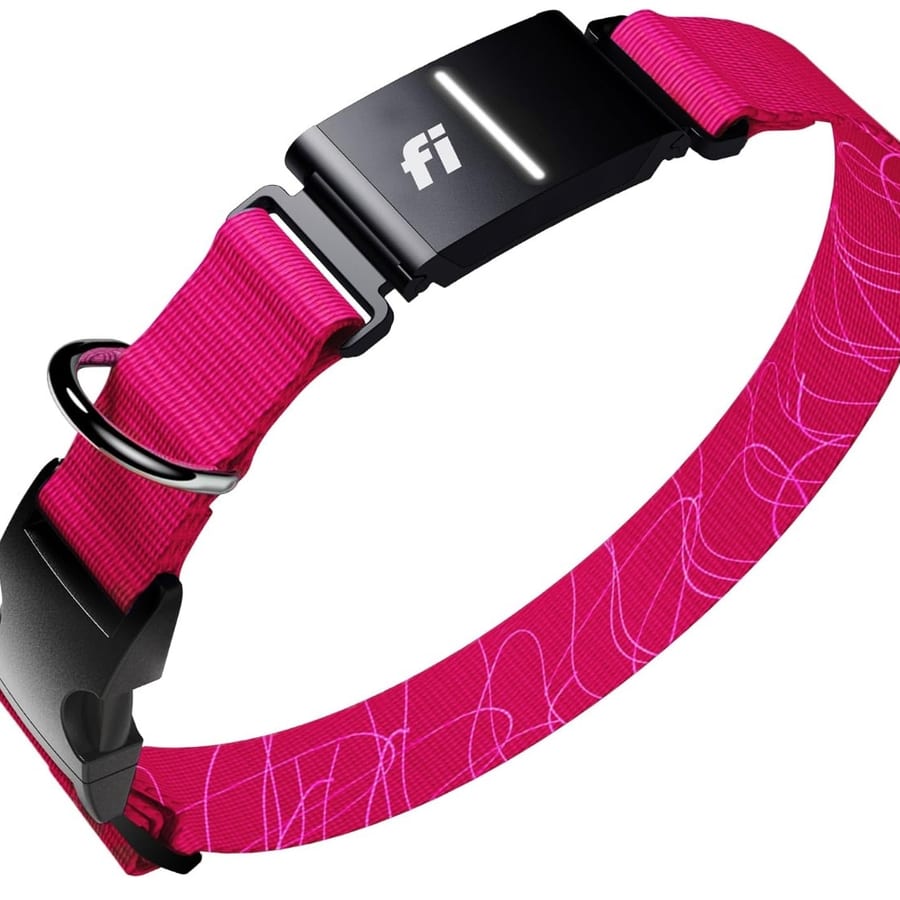
GPS trackers with LTE (like Fi Series 3 and Tractive) use cellular networks to track your dog anywhere with cell coverage — no range limit. Bluetooth trackers (like Apple AirTag) only work within Bluetooth range (100–300 feet) and rely on other Apple devices nearby to update location when out of range. For a dog that escapes your yard, GPS with LTE is significantly more reliable. AirTags work well for dogs that stay close to home or in urban areas with dense iPhone coverage.
Do GPS dog trackers require a subscription?
Most real-time GPS dog trackers require a monthly subscription for cellular data. The Fi Series 3 costs $8–$15/month. Tractive costs $5–$9/month. Whistle costs $10/month. Apple AirTag has no subscription but relies on the Find My network rather than dedicated GPS. Budget for the subscription cost when comparing trackers — a $50 tracker with a $9/month subscription costs more over 2 years than a $150 tracker with a $5/month plan.
How accurate are GPS dog trackers?
LTE GPS trackers like the Fi Series 3 and Tractive are accurate to approximately 10–30 feet in open areas with good cell coverage. Accuracy decreases in dense urban areas, heavily wooded areas, or locations with poor cell signal. Bluetooth trackers like AirTag are accurate to within a few feet when in Bluetooth range, but location updates when out of range depend on other devices in the Find My network passing by.
Is the Fi Series 3 worth it compared to cheaper GPS trackers?
The Fi Series 3 is worth the premium over budget GPS trackers for three reasons: its 3-month battery life (versus 2–7 days for most competitors), its IP68 waterproof rating (fully submersible), and its step and sleep tracking that doubles as a health monitor. Budget trackers like Tractive deliver real-time GPS at a lower price but require more frequent charging and lack the health monitoring features.