Sauna Guide
Sauna Benefits for Recovery
Regular sauna use reduces muscle soreness, improves cardiovascular health, lowers cortisol, and accelerates recovery between training sessions — backed by over 40 years of Finnish and US research.
Updated October 12, 2026
Quick answer
What are the benefits of sauna for recovery?
Sauna use accelerates recovery through six primary mechanisms: (1) increased blood flow delivers oxygen and nutrients to damaged muscle tissue; (2) heat shock proteins (HSPs) are activated, protecting cells and accelerating repair; (3) growth hormone surges 2–5x after a 30-minute session, supporting muscle protein synthesis; (4) cortisol drops post-session, reducing systemic inflammation; (5) endorphin release reduces perceived soreness and improves mood; (6) improved sleep quality — sauna users fall asleep faster and spend more time in deep sleep. Research from the University of Eastern Finland found that men who used a sauna 4–7 times per week had a 40% lower all-cause mortality risk.
6 evidence-based recovery benefits
01
Muscle Recovery
2–5x growth hormone increase
A 30-minute sauna session at 176°F triggers a 2–5x surge in growth hormone — the primary driver of muscle protein synthesis and tissue repair. Finnish research found that athletes who used a sauna post-workout recovered 47% faster than those who did not.
02
Cardiovascular Health
40% lower mortality risk
The Kuopio Ischemic Heart Disease Risk Factor Study (2,315 men, 20-year follow-up) found that men who used a sauna 4–7 times per week had a 40% lower risk of all-cause mortality and a 50% lower risk of fatal cardiovascular events compared to once-weekly users.
03
Inflammation Reduction
Cortisol drops post-session
Sauna use reduces circulating cortisol and C-reactive protein (CRP) — two primary markers of systemic inflammation. Lower inflammation accelerates recovery, reduces joint pain, and improves immune function. Regular sauna users show significantly lower CRP levels than non-users.
04
Sleep Quality
Deeper, faster sleep onset
The post-sauna drop in core body temperature mimics the natural temperature drop that signals sleep onset. Research shows sauna users fall asleep 10–15 minutes faster and spend more time in slow-wave (deep) sleep — the most restorative sleep stage for physical recovery.
05
Detoxification
Sweat removes heavy metals
Sweat produced during sauna use contains measurable concentrations of heavy metals (lead, cadmium, arsenic) and environmental toxins. While the kidneys handle most detoxification, sauna-induced sweating provides a meaningful secondary elimination pathway — particularly for fat-soluble toxins.
06
Mental Health
Endorphin release + stress relief
Sauna sessions trigger endorphin release comparable to moderate exercise. Regular sauna users report significantly lower rates of depression and anxiety. The combination of heat, isolation, and endorphin release creates a meditative state that reduces perceived stress and improves mood for 24–48 hours post-session.
Recommended sauna protocol
Temperature
176–194°F (80–90°C)
Session length
15–30 minutes per session
Frequency
3–7 sessions per week
Cooldown
10–15 minutes cold shower or air cooling
Hydration
16–24 oz water before, electrolytes after
Our top sauna picks
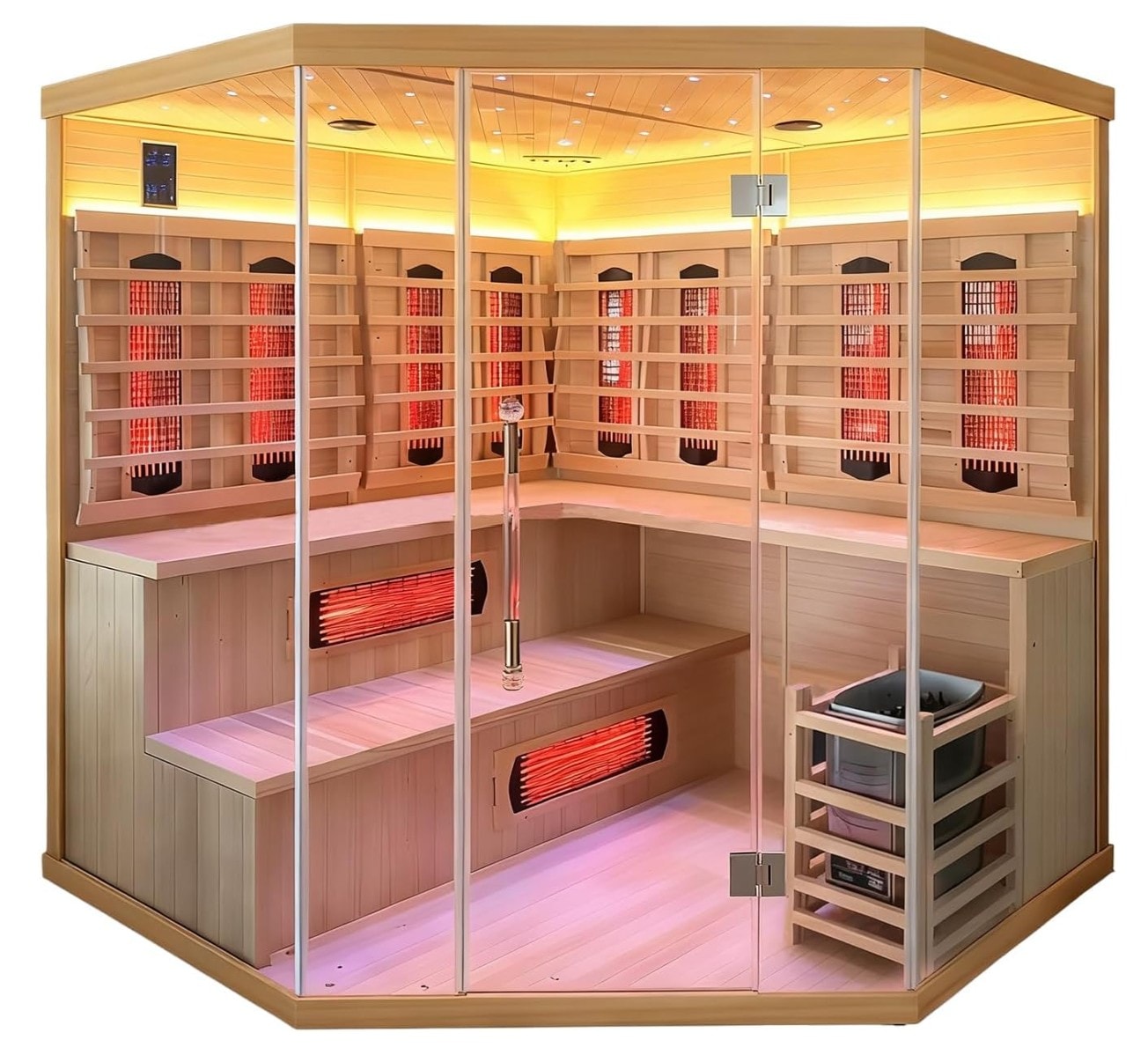
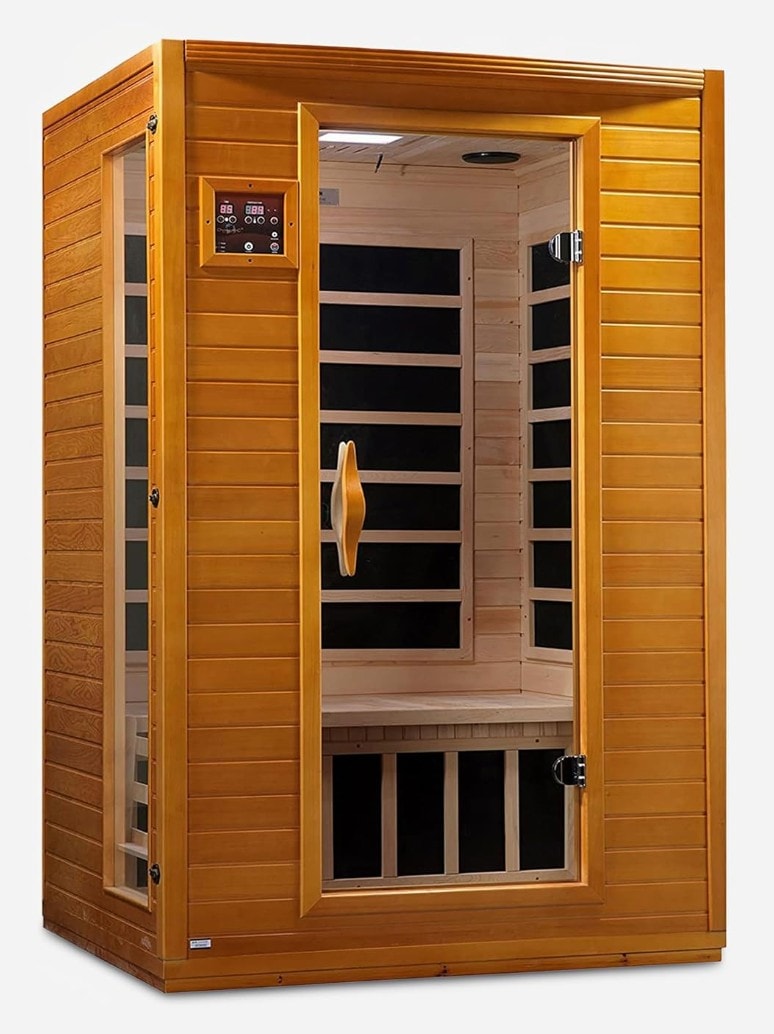

Frequently asked questions
How long should you stay in a sauna for recovery?
Research supports 15–30 minute sauna sessions for recovery benefits. Beginners should start with 10–15 minutes at lower temperatures (150–160°F) and build up over 2–4 weeks. Experienced sauna users can extend to 30–45 minutes at 176–194°F. The key is exiting before you feel dizzy or nauseous — these are signs of overheating. Always cool down for 10–15 minutes between rounds if doing multiple sessions.
Should you use a sauna before or after a workout?
Post-workout sauna use is more effective for recovery — it amplifies the growth hormone response already triggered by exercise, accelerates muscle repair, and reduces DOMS (delayed onset muscle soreness). Pre-workout sauna use can improve flexibility and warm up connective tissue but may reduce strength output if done immediately before heavy lifting. For recovery purposes, use the sauna 30–60 minutes after your workout, after you have rehydrated.
Is infrared sauna or traditional sauna better for recovery?
Both are effective for recovery, with different mechanisms. Traditional saunas (176–212°F) produce more intense heat stress, triggering a stronger cardiovascular response and more profuse sweating. Infrared saunas (120–150°F) operate at lower temperatures but penetrate tissue more deeply — they are more comfortable for longer sessions and better tolerated by people who find traditional sauna heat overwhelming. Most research on sauna health benefits was conducted with traditional Finnish saunas, but infrared sauna studies show comparable benefits for muscle recovery and cardiovascular health.
Can sauna use replace ice baths for recovery?
Sauna and cold plunge serve different recovery mechanisms and are most effective when combined. Cold plunge (50–59°F) reduces acute inflammation and numbs pain immediately post-workout. Sauna increases blood flow, triggers heat shock proteins, and boosts growth hormone. The contrast protocol — alternating sauna and cold plunge — produces the strongest recovery response: 10–15 minutes sauna, 2–3 minutes cold plunge, repeated 2–3 times. Neither replaces the other; they are complementary tools.