Fitness & Wellness Guide

Best Yoga Mat 2026

The Manduka PRO is the best yoga mat — 6mm thick, a lifetime guarantee, and a non-slip surface that holds up through hot yoga, power yoga, and daily practice for years.

Updated October 12, 2026

We research products independently. When you buy through our links, we may earn a commission at no extra cost to you.

Quick answer

What is the best yoga mat?

The Manduka PRO ($120–$140) is the best yoga mat for serious practitioners — 6mm thick, a lifetime guarantee, and a closed-cell surface that resists moisture and bacteria. The Liforme Original ($150) is the best yoga mat for alignment — alignment markers guide hand and foot placement for every pose. The Gaiam Premium ($25–$35) is the best budget yoga mat for beginners. The Jade Harmony ($80–$100) is the best eco-friendly yoga mat — natural rubber with a tree planted for every mat sold.

Best Overall

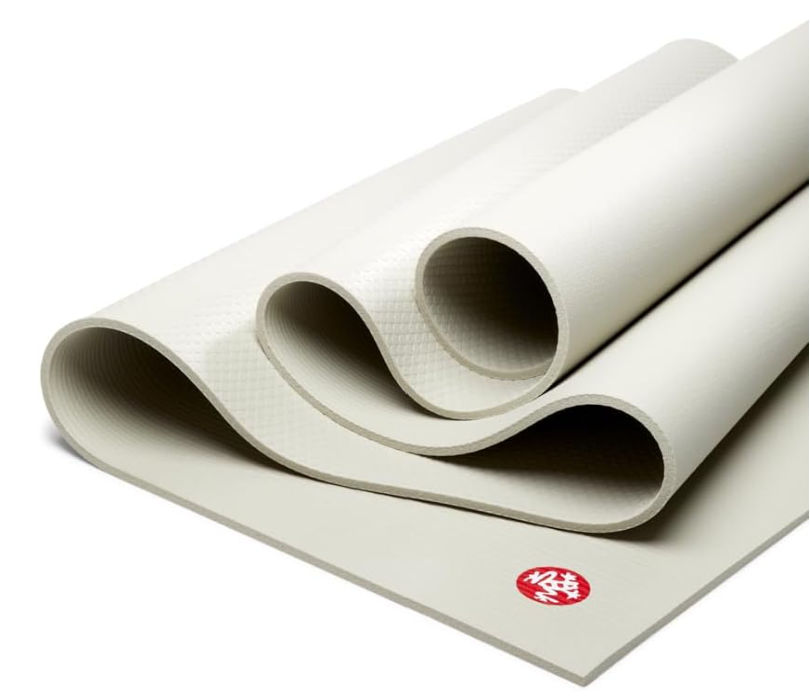
Manduka PRO Yoga Mat

$120–$140

Check Price

Best for Alignment

Liforme Original

$150

Check Price

Best Budget

Gaiam Premium Yoga Mat

$25–$35

Check Price

Best Eco

Jade Harmony Yoga Mat

$80–$100

Check Price

Compare our picks

ProductThicknessMaterialWeightWarrantyPriceBuy
Manduka PRO Yoga MatBest Overall6mmPVC7.5 lbsLifetime$120–$140Buy
Liforme OriginalBest for Alignment4.2mmNatural rubber5.5 lbsAlignment markers$150Buy
Gaiam Premium Yoga MatBest Budget5mmPVC2.2 lbs1 year$25–$35Buy
Jade Harmony Yoga MatBest Eco3/16 inchNatural rubber4.5 lbsTree planted per mat$80–$100Buy

Our picks

Manduka PRO Yoga Mat
Best Overall$120–$140

Manduka PRO Yoga Mat

The Manduka PRO is the best yoga mat for serious practitioners. A 6mm thick closed-cell surface resists moisture and bacteria, the lifetime guarantee means Manduka replaces it if it ever wears out, and the non-slip texture holds through hot yoga and power yoga sessions.

Thickness

6mm

Material

PVC

Weight

7.5 lbs

Warranty

Lifetime

Pros

  • Lifetime guarantee
  • 6mm thick — excellent joint cushioning
  • Closed-cell surface resists moisture
  • Non-slip in hot yoga
  • Lasts years, not months

Cons

  • –$120–$140 price point
  • –Heavy (7.5 lbs) — not ideal for travel
  • –Requires a break-in period for grip

Who should buy this

Buy it if you practice yoga 3+ times per week and want a mat that lasts years with a lifetime guarantee.

Liforme Original
Best for Alignment$150

Liforme Original

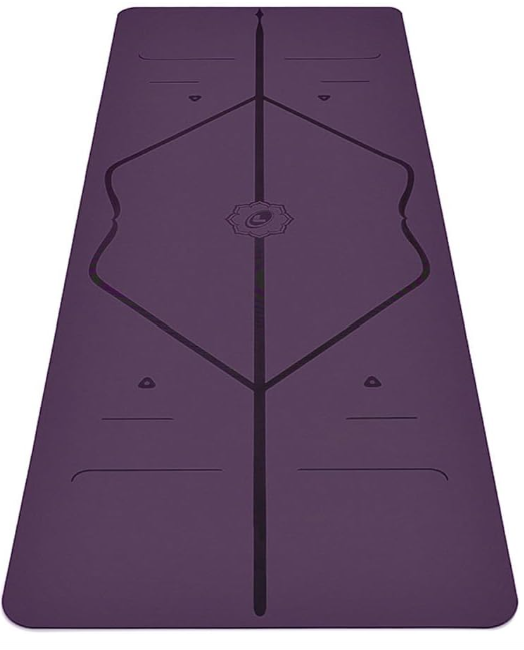
The Liforme Original is the best yoga mat for alignment. Alignment markers guide hand and foot placement for every pose — a game-changer for beginners learning proper form and experienced practitioners refining their alignment. The natural rubber base grips the floor even in hot yoga.

Thickness

4.2mm

Material

Natural rubber

Weight

5.5 lbs

Feature

Alignment markers

Pros

  • Alignment markers for every pose
  • Natural rubber — excellent grip
  • Grips better when wet
  • Good for beginners learning form
  • Eco-friendly materials

Cons

  • –$150 price point
  • –Not suitable for latex allergies
  • –Heavier than PVC mats

Who should buy this

Buy it if you want alignment guidance built into your mat, or if you are learning yoga and want to develop proper form.

Gaiam Premium Yoga Mat
Best Budget$25–$35

Gaiam Premium Yoga Mat

The Gaiam Premium is the best budget yoga mat for beginners. At $25–$35, it delivers a non-slip surface, 5mm thickness for joint cushioning, and a lightweight design that is easy to carry to class. The right starting point before investing in a Manduka or Liforme.

Thickness

5mm

Material

PVC

Weight

2.2 lbs

Warranty

1 year

Pros

  • Under $35
  • 5mm thickness
  • Non-slip surface
  • Lightweight (2.2 lbs)
  • Wide color and pattern selection

Cons

  • –PVC — not eco-friendly
  • –Surface degrades after 6–18 months
  • –Not suitable for hot yoga

Who should buy this

Buy it if you are new to yoga and want a quality mat without spending $120+.

Jade Harmony Yoga Mat
Best Eco$80–$100

Jade Harmony Yoga Mat

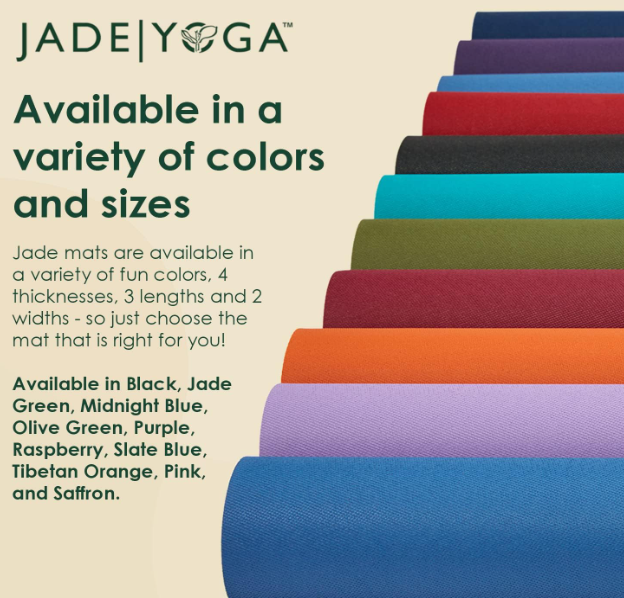
The Jade Harmony is the best eco-friendly yoga mat. Made from natural rubber tapped from rubber trees, it grips better than PVC when wet, and Jade plants a tree for every mat sold. The open-cell natural rubber provides exceptional grip but requires more care — it should not be left in direct sunlight or stored rolled tightly.

Thickness

3/16 inch

Material

Natural rubber

Weight

4.5 lbs

Eco

Tree planted per mat

Pros

  • Natural rubber — eco-friendly
  • Grips better when wet than PVC
  • Tree planted for every mat sold
  • Good for hot yoga
  • Excellent traction

Cons

  • –Not suitable for latex allergies
  • –Requires more care than PVC
  • –Degrades faster in direct sunlight

Who should buy this

Buy it if you want an eco-friendly mat with excellent grip and are willing to care for natural rubber.

Frequently asked questions

How thick should a yoga mat be?

Standard yoga mats are 3–4mm thick — thin enough to feel stable on the floor, thick enough to cushion your joints. 6mm mats like the Manduka PRO offer more joint cushioning for people with sensitive knees or wrists. Travel mats are 1–2mm and fold flat. For hot yoga, a thinner mat (3–4mm) with a textured surface provides better grip when wet. For restorative yoga or meditation, a thicker mat (6mm+) is more comfortable for extended floor time.

What is the best yoga mat for hot yoga?

The Manduka PRO and Liforme Original are both excellent for hot yoga — their closed-cell or natural rubber surfaces grip better when wet than standard PVC mats. For hot yoga specifically, pairing any mat with a yoga towel (like the Manduka eQua) dramatically improves grip once you start sweating. Avoid open-cell foam mats for hot yoga — they absorb sweat and become slippery.

Is the Manduka PRO worth $120?

The Manduka PRO is worth $120 if you practice yoga regularly (3+ times per week) and want a mat that lasts years rather than months. The lifetime guarantee means Manduka replaces it if it ever wears out. Budget mats at $20–$30 typically last 6–18 months before the surface degrades. Over 3 years, the Manduka PRO costs less per session than replacing a budget mat twice. For beginners or casual practitioners, the Gaiam Premium at $25–$35 is the right starting point.

What yoga mat material is best?

PVC (polyvinyl chloride) is the most common yoga mat material — durable, easy to clean, and affordable. Natural rubber (used in Jade Harmony and Liforme) provides better grip and is more eco-friendly but can cause reactions in people with latex allergies. TPE (thermoplastic elastomer) is a middle ground — more eco-friendly than PVC, lighter than rubber, and latex-free. Cork mats are naturally antimicrobial and grip better when wet. For most practitioners, PVC or natural rubber delivers the best performance.