Fitness & Wellness Guide

Best Foam Roller 2026

The TriggerPoint GRID Foam Roller is the best foam roller — a hollow core that does not compress over time, a multi-density surface that mimics a therapist's hands, and a 13-inch size that handles every major muscle group.

Updated October 12, 2026

We research products independently. When you buy through our links, we may earn a commission at no extra cost to you.

Quick answer

What is the best foam roller for muscle recovery?

The TriggerPoint GRID Foam Roller ($35–$45) is the best foam roller for most people — a hollow core that maintains its shape through years of use, a multi-density surface for targeted myofascial release, and a 13-inch size that works for every major muscle group. The Hyperice Vyper 3 ($199) is the best vibrating foam roller — three vibration frequencies amplify the myofascial release effect for serious athletes. The Amazon Basics High-Density Foam Roller ($15–$20) is the best budget foam roller. The LuxFit Premium ($20–$25) is the best foam roller for beginners who want a gentler, softer surface.

Best Overall

TriggerPoint GRID Foam Roller

$35–$45

Check Price

Best Vibrating

Hyperice Vyper 3

$199

Check Price

Best Budget

Amazon Basics High-Density Foam Roller

$15–$20

Check Price

Best for Beginners

LuxFit Premium Foam Roller

$20–$25

Check Price

Compare our picks

ProductDensityLengthCoreSurfacePriceBuy
TriggerPoint GRID Foam RollerBest OverallMedium-firm13 inchesHollowMulti-density grid$35–$45Buy
Hyperice Vyper 3Best Vibrating3 frequencies3 hours13 inchesBluetooth$199Buy
Amazon Basics High-Density Foam RollerBest BudgetHigh12 or 18 inchesSolid foamSmooth$15–$20Buy
LuxFit Premium Foam RollerBest for BeginnersMedium12, 18, 36 inSolid foamSmooth$20–$25Buy

Our picks

TriggerPoint GRID Foam Roller
Best Overall$35–$45

TriggerPoint GRID Foam Roller

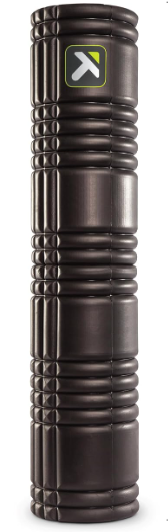
The TriggerPoint GRID is the best foam roller for most people. A hollow core maintains its shape through years of use (unlike solid foam that compresses over time), and the multi-density surface — with flat, tubular, and grid zones — mimics the fingers, palms, and thumbs of a massage therapist.

Density

Medium-firm

Length

13 inches

Core

Hollow

Surface

Multi-density grid

Pros

  • Hollow core — never compresses
  • Multi-density surface for targeted release
  • Durable — lasts years
  • 13-inch size for all muscle groups
  • Trusted by physical therapists

Cons

  • –$35–$45 vs $15 for budget options
  • –Firm surface — not for beginners with sensitive muscles
  • –No vibration

Who should buy this

Buy it if you want the best all-around foam roller that will last for years.

Hyperice Vyper 3
Best Vibrating$199

Hyperice Vyper 3

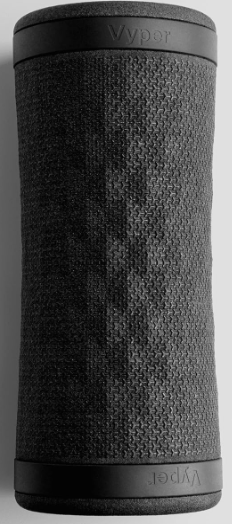
The Hyperice Vyper 3 is the best vibrating foam roller. Three vibration frequencies (33, 40, and 53 Hz) amplify the myofascial release effect — research shows vibration combined with foam rolling reduces muscle soreness more effectively than foam rolling alone. The right choice for serious athletes who want maximum recovery.

Vibration

3 frequencies

Battery

3 hours

Length

13 inches

App

Bluetooth

Pros

  • 3 vibration frequencies
  • Amplifies myofascial release effect
  • Rechargeable battery (3 hours)
  • Firm surface for deep tissue work
  • Bluetooth app for guided routines

Cons

  • –$199 price point
  • –Heavier than standard foam rollers
  • –Requires charging

Who should buy this

Buy it if you are a serious athlete who wants the most effective foam rolling experience.

Amazon Basics High-Density Foam Roller
Best Budget$15–$20

Amazon Basics High-Density Foam Roller

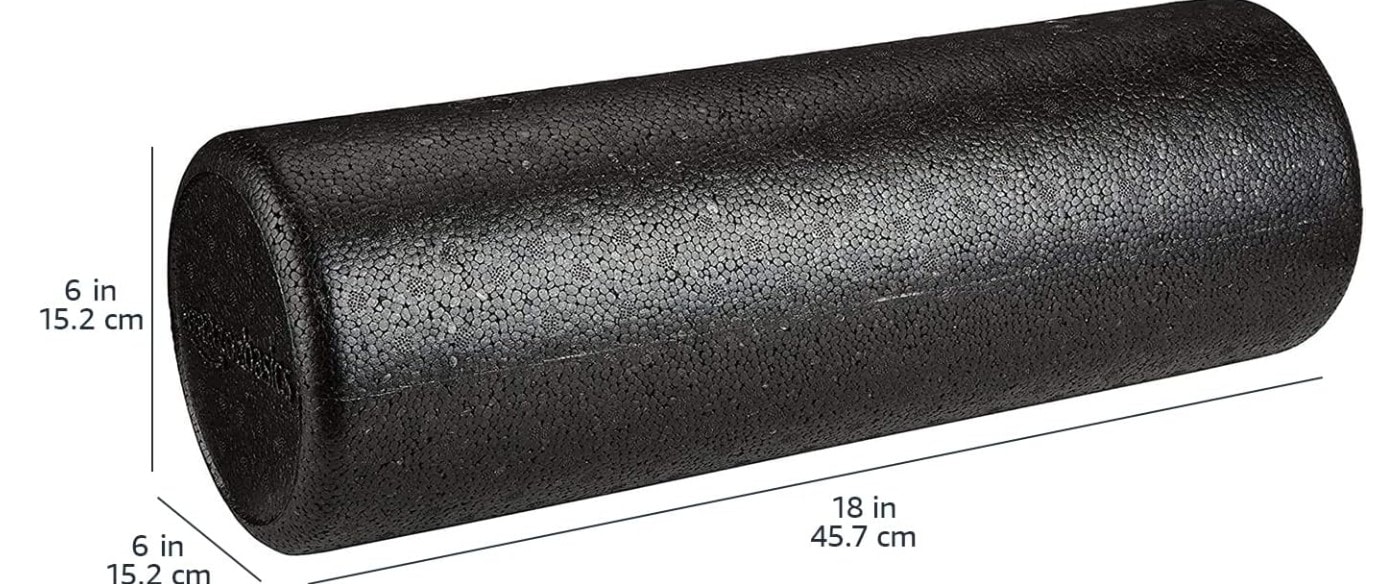
The Amazon Basics High-Density Foam Roller is the best budget foam roller. At $15–$20, it delivers firm, consistent pressure for IT band, quad, and thoracic spine rolling. The solid foam construction is denser than most budget rollers — it holds its shape better than cheap alternatives.

Density

High

Length

12 or 18 inches

Core

Solid foam

Surface

Smooth

Pros

  • Under $20
  • High-density solid foam
  • Available in multiple lengths
  • Good for IT band and large muscle groups
  • Amazon reliability

Cons

  • –Solid foam compresses over time
  • –No texture — flat surface only
  • –Firmer than beginners expect

Who should buy this

Buy it if you want a quality foam roller at the lowest possible price.

LuxFit Premium Foam Roller
Best for Beginners$20–$25

LuxFit Premium Foam Roller

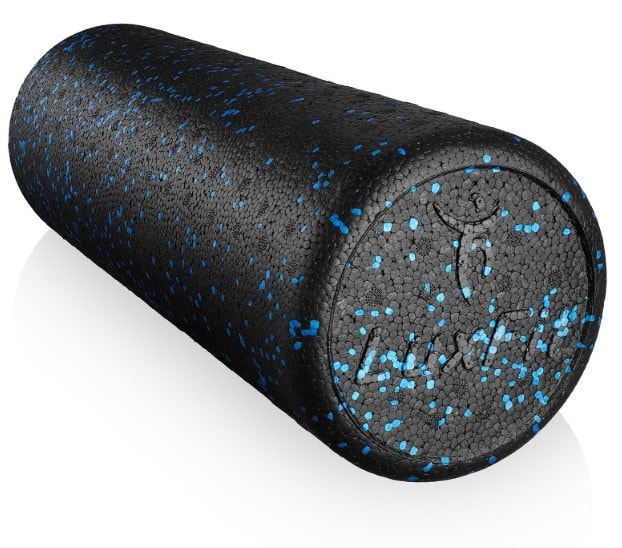
The LuxFit Premium is the best foam roller for beginners. A medium-density surface is gentler than the TriggerPoint GRID or Amazon Basics High-Density — the right starting point for people new to foam rolling who find firm rollers too painful. Available in 12, 18, and 36-inch lengths.

Density

Medium

Lengths

12, 18, 36 in

Core

Solid foam

Surface

Smooth

Pros

  • Medium density — gentler for beginners
  • Multiple length options
  • Under $25
  • Good for general mobility work
  • Lightweight

Cons

  • –Compresses faster than hollow-core rollers
  • –Less effective for deep tissue work
  • –No texture

Who should buy this

Buy it if you are new to foam rolling and want a gentler surface to start with.

Frequently asked questions

When should you use a foam roller?

Use a foam roller before a workout for 5–10 minutes to increase blood flow and loosen tight tissue — this is dynamic foam rolling at a faster pace. Use it after a workout for 10–15 minutes for myofascial release and recovery — slower, sustained pressure on tight spots. You can also use a foam roller on rest days for general mobility work. Avoid foam rolling acutely injured tissue, joints, or the lower back directly — roll the surrounding muscles (glutes, hip flexors, thoracic spine) instead.

What is the difference between a foam roller and a massage gun?

Foam rollers use sustained pressure and body weight to release myofascial tension — you control the pressure by shifting your weight. Massage guns use rapid percussive strokes to penetrate deeper into muscle tissue. Foam rollers are better for large surface areas (IT band, quads, thoracic spine) and general mobility work. Massage guns are better for targeted deep tissue work on specific muscles (calves, traps, glutes). Most serious athletes use both — foam rolling for warm-up and general recovery, massage guns for targeted post-workout treatment.

Does foam rolling actually work?

Research supports foam rolling for short-term improvements in range of motion, reduced muscle soreness after exercise, and faster recovery between sessions. A 2015 meta-analysis in the Journal of Athletic Training found that foam rolling significantly reduced delayed-onset muscle soreness (DOMS) and improved sprint performance in the days following intense exercise. The effect is real but modest — foam rolling is a useful recovery tool, not a replacement for adequate sleep, nutrition, and progressive training.

What density foam roller should I buy?

Beginners and people with sensitive muscles should start with a low-density (soft) foam roller — it provides gentler pressure that is easier to tolerate. Intermediate users benefit from medium-density rollers like the TriggerPoint GRID. Advanced athletes and people with dense, tight muscle tissue prefer high-density or firm rollers that provide deeper pressure. If you are new to foam rolling, start soft and progress to firmer options as your tissue adapts. The Amazon Basics High-Density roller is firmer than most beginners expect — the LuxFit Premium is a gentler starting point.