Is pickleball easy to learn for tennis players?
Yes — tennis players typically advance faster than other beginners because the hand-eye coordination, footwork, and court awareness transfer directly. The main adjustments are the shorter swing (pickleball rewards compact strokes), the kitchen/non-volley zone rules, and the softer dinking game at the net. Most tennis players reach a 3.0–3.5 skill level within a few months of regular play.
Should tennis players use a heavier or lighter pickleball paddle?
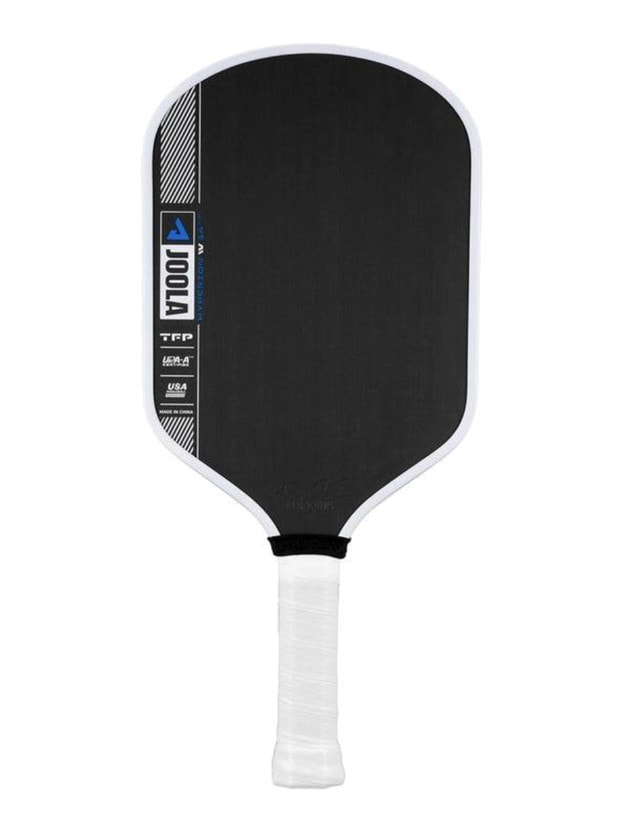
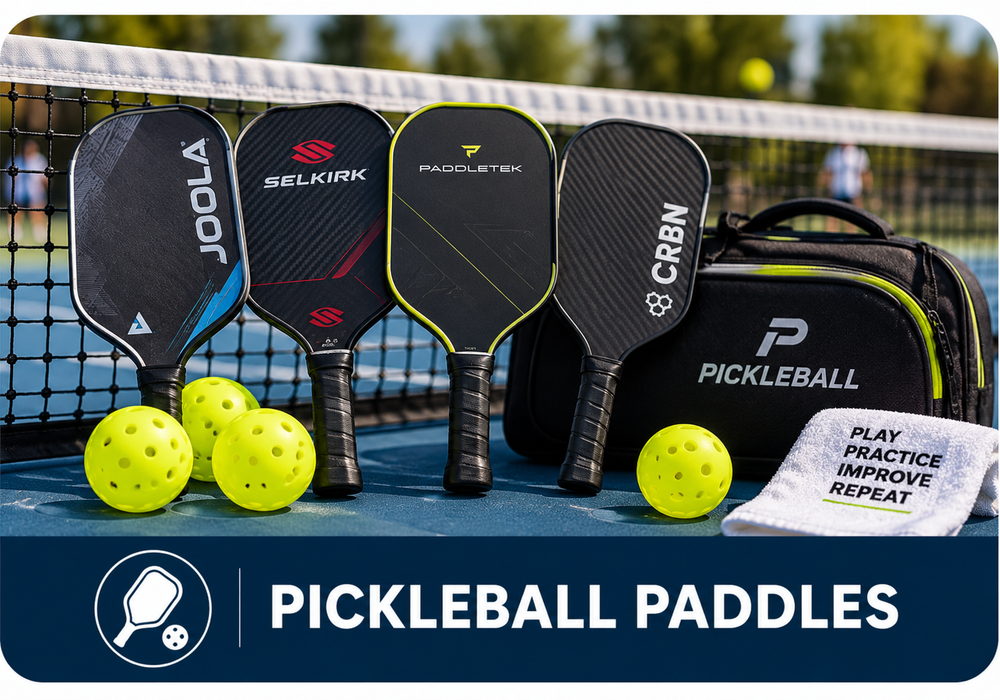
Tennis players generally prefer mid-weight to heavier paddles (7.8–8.5 oz) because they are accustomed to the weight and swing of a tennis racket. Lighter paddles (under 7.5 oz) can feel unstable and require more wrist action than tennis players are used to. A heavier swing weight also helps generate power without the full swing that pickleball's compact court discourages.
What is the difference between a pickleball paddle and a tennis racket?
Pickleball paddles are solid (no strings), smaller (roughly 16 x 8 inches), and significantly lighter (7–9 oz versus 10–12 oz for a tennis racket). The solid face means all power and spin come from the surface texture and your swing mechanics rather than string tension. Carbon fiber surfaces generate the most spin — similar to a heavily textured tennis string bed.
Do tennis players have an advantage in pickleball?
Yes, especially at the net and in groundstroke rallies. Tennis players' topspin mechanics, overhead smash, and volley instincts translate well. The biggest adjustment is the dinking game — the soft, controlled exchanges at the kitchen line that require patience and touch rather than power. Many tennis players initially try to overpower opponents and struggle until they develop their soft game.