Cold Plunge Guide
Cold Plunge Benefits: What the Research Shows
Six evidence-based benefits of cold water immersion — and what temperature and duration you need to experience them.
Updated October 12, 2026
Quick answer
What are the benefits of cold plunge therapy?
The six most well-supported benefits of cold plunge therapy are: (1) reduced delayed-onset muscle soreness (DOMS), (2) reduced systemic inflammation, (3) improved mood via norepinephrine release, (4) metabolic adaptation and brown fat activation, (5) improved sleep quality, and (6) increased alertness and mental clarity. Most benefits are observed at 50–59°F (10–15°C) for 2–15 minutes, 3–5 times per week.
6 benefits of cold plunge therapy
Reduced muscle soreness (DOMS)
Cold water immersion is one of the most well-studied recovery methods for reducing delayed-onset muscle soreness. Multiple meta-analyses show that cold water immersion at 50–59°F for 10–15 minutes significantly reduces DOMS compared to passive recovery. This is why cold plunges are standard practice among professional athletes and serious recreational athletes.
Reduced inflammation
Cold exposure causes vasoconstriction — blood vessels narrow, reducing blood flow to muscles and limiting the inflammatory response after exercise. This is beneficial for recovery from training, but note that some inflammation is necessary for muscle adaptation. Research suggests avoiding cold plunges immediately after strength training if hypertrophy is your primary goal.
Improved mood and reduced stress
Cold water immersion triggers a significant release of norepinephrine — a neurotransmitter and hormone associated with alertness, focus, and mood. Studies show norepinephrine levels can increase 200–300% after cold exposure. This neurochemical response is one reason many practitioners report improved mood and reduced anxiety after regular cold plunge practice.
Metabolic adaptation and brown fat activation
Regular cold exposure activates brown adipose tissue (brown fat), which generates heat by burning calories. Over time, this metabolic adaptation increases your body's ability to regulate temperature and may improve insulin sensitivity. The effect is most pronounced with consistent, regular cold exposure rather than occasional sessions.
Improved sleep quality
Cold plunging in the morning or early afternoon has been associated with improved sleep quality in several studies. The mechanism is thought to involve the regulation of cortisol rhythms — cold exposure in the morning reinforces the natural cortisol peak, which supports better sleep onset at night. Avoid cold plunges within 2–3 hours of bedtime, as the alertness response can delay sleep.
Increased alertness and mental clarity
The norepinephrine and adrenaline release from cold exposure produces immediate increases in alertness, focus, and mental clarity. Many practitioners use morning cold plunges as a replacement for or complement to caffeine. The effect is acute — lasting 2–4 hours after a session — and becomes more pronounced with regular practice as the body adapts to the cold stress response.
What temperature and duration do you need?
Temperature
50–59°F (10–15°C)
Most research protocols. Beginners start at 55–60°F.
Duration
2–15 minutes
Beginners: 2–5 min. Recovery: 10–15 min.
Frequency
3–5x per week
Daily is practiced by many. Avoid immediately post-strength training if hypertrophy is your goal.
Recommended cold plunge tubs
To experience the benefits above, you need a tub that can hold water at 50–59°F. Here are our top picks at every price point.
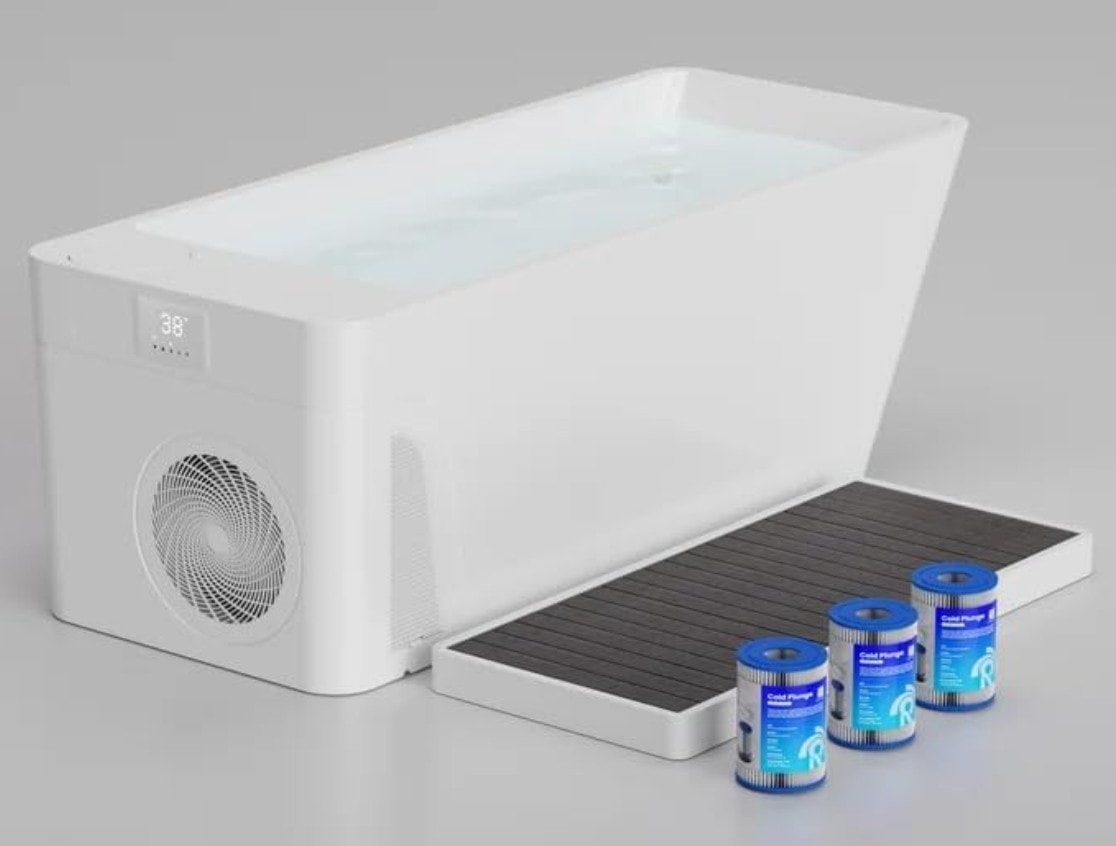
Best Overall Cold Plunge
Deeptime Smart Ice Bath Gen3
Premium ($3,899.99)
The Deeptime Smart Ice Bath Gen3 is the best cold plunge tub for home use. Built-in chiller maintains precise temperatures, and the filtration system keeps water clean between sessions. The app lets you set target temperatures and track session history.
Best for: Serious practitioners who want precise temperature control
Check Price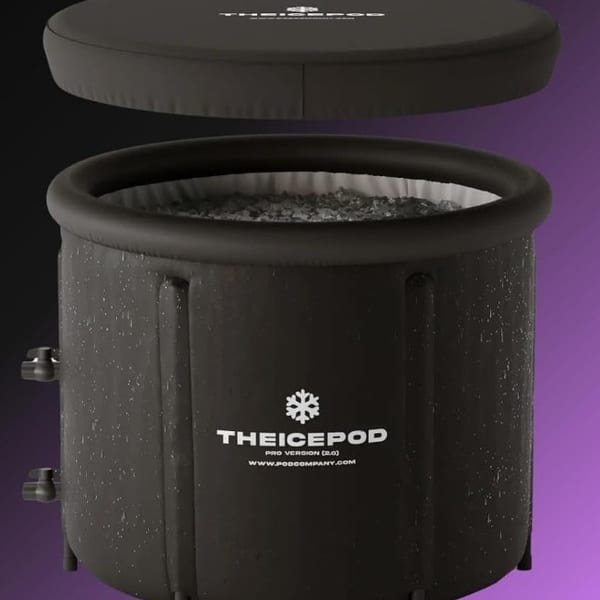
Best Value Cold Plunge
Ice Pod Pro
Budget (~$149.99)
The Ice Pod Pro is the best value cold plunge for most people. Fill with water and ice, and you have a functional cold plunge for under $150. Insulated walls help maintain temperature longer than basic inflatable tubs.
Best for: Most people starting a cold plunge practice
Check Price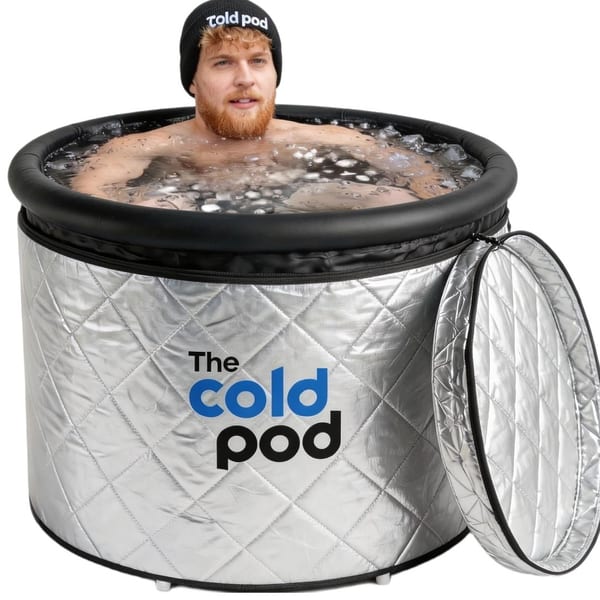
Best Budget Cold Plunge
Cold Pod 88-Gallon
Budget (~$129.96)
The Cold Pod 88-Gallon is the most affordable entry point into cold plunge therapy. Large enough for full-body immersion, easy to set up, and compatible with a separate chiller unit if you want to upgrade later.
Best for: Budget-conscious beginners
Check PriceFrequently asked questions
How cold does a cold plunge need to be?
Most research protocols use 50–59°F (10–15°C). Beginners should start at the warmer end (55–60°F) and gradually work down as they adapt. Below 50°F is used by experienced practitioners but increases the risk of cold shock and hypothermia. Above 60°F still provides some benefits but is less effective for the physiological responses described above.
How long should you stay in a cold plunge?
Beginners should start with 2–5 minutes and work up to 10–15 minutes as they adapt. Most research protocols use 10–15 minutes for recovery benefits. Duration matters less than temperature — a colder plunge for a shorter time produces similar physiological responses to a warmer plunge for longer.
Should you cold plunge before or after a workout?
For recovery from cardio or endurance training, cold plunging after a workout is effective. For strength training, research suggests waiting at least 4–6 hours after training if muscle growth is your goal, as cold exposure blunts some of the inflammatory signaling needed for hypertrophy. Morning cold plunges before training are generally considered safe for all training types.
Are there risks to cold plunge therapy?
Cold water immersion carries risks including cold shock (sudden gasp reflex), hyperventilation, and in extreme cases hypothermia. People with cardiovascular conditions, Raynaud's disease, or cold urticaria should consult a doctor before starting. Never cold plunge alone, and always enter the water slowly to allow your body to adapt to the temperature change.